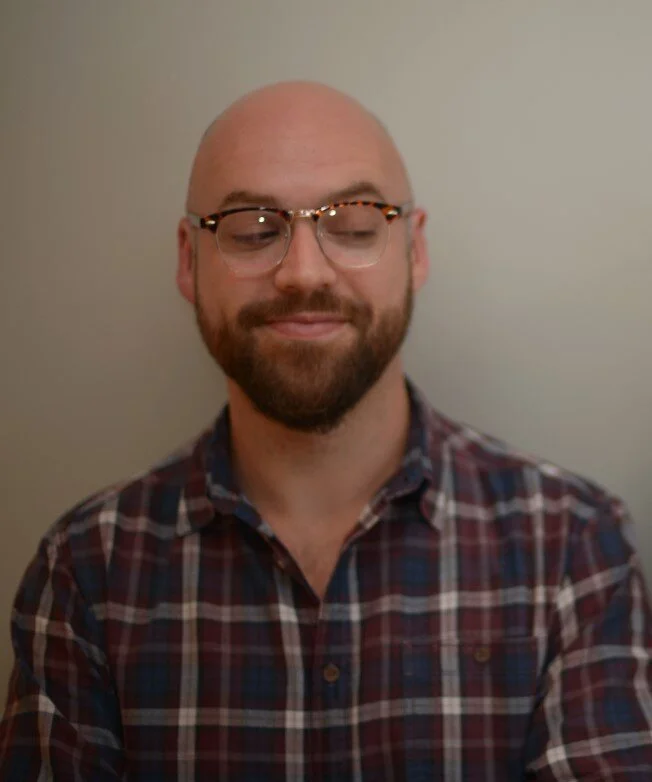
When Max Ostwald, now of The Mixing Class, lost his job due to Covid, he found comfort and a new way of thinking in the most unlikely place. He introduces us the philosophy of the Stoics.
I reached the top. Or at least, that is the story I was telling myself on a daily, if not hourly, basis.
After over a decade working in hospitality, I found myself the Head of Bars at a high profile, multi-operation venue in the heart of London, affiliated with some huge players in the Food & Beverage world and being showered with status-affirming respect... and a hint of sycophancy. I was leading nearly 200 staff in my team, responsible for millions of pounds in revenue and the industry I so desperately coveted was coveting me back ad nauseam.
Two years of hard work and massive progress went by and then wham... the pandemic hit. The first couple of months was odd to say the least. However, those months have become some of the most important of my life (more on that later). 12 June rolled up and I received a Zoom invite from the HR Director... it held no info, just a time and date... 9am on Monday 15 June. I turned to my wife: ‘I'm going to lose my job.’
Tough call
The Managing Director hosted the call. As I looked at who else was on there, I knew immediately that my initial feelings were correct. I sat in silence as the MD explained the situation and watched the faces of my colleagues as the situation became clear to them. I felt so sorry for the slightly younger of the bunch… not because they are in a worse situation than me; I support a family of six with my wages, and in London, that is no joke!
No, I felt sorry for them because they had no idea it was coming, because they took it personally immediately. Because, like most of us, their career is inextricably fused with their identity, their sense of self-worth, and the idea of losing their job felt like they were being told ‘you aren’t good enough to be necessary’. In fairness to my employer, they did everything they could to belay and appease those thoughts and feelings, but it is one of those situations that a face on a screen can’t really help with.
The redundancy process is slow; for those of you out there who have experienced it, I feel for you. As it all began, a close friend of mine recommended a book to me. He said he had sent copies to friends in similar positions in the past and thought it might help. And it did. More than I ever could have predicted.
Ancient wisdom
I had heard of Stoicism before, and like many others thought it meant ‘kill emotion, follow the path of the one true God… The Terminator!’ I was pretty wrong. The book my friend recommended was The Obstacle Is The Way by Ryan Holiday. It is a book that introduces some of the core values, principles and techniques of the Stoics. For example, the ‘dichotomy of control’ – this one will ring a bell with most people.
The idea is simple; in life, there are things we control and things we don’t control. The Stoics assert that it is futile and almost masochistic to put too much thought into the latter. That doesn’t mean we should become totally apathetic, it means we should watch where we put our energy. In my situation it boiled down to this… I have no control of whether or not I am about to lose my job, instead I have control over how I think, feel and act in regards to the possibility.
It pushed me to ask myself some pretty important questions… ‘Will it help me to get upset? Will it help my family if I spiral into depression and freak out?’ The answer was pretty damn clear… no. So what could I do?
Love your fate
The Stoics had the answer here too – they introduced me to the idea of premeditatio malorum, or negative visualisation as it is often called nowadays. With this new tool, I began to prepare myself for the idea that it was, without doubt, inevitable that I would lose my job. And, to my surprise, I felt good! Every day I spent a couple of minutes thinking about the fact that I would probably never do my Thursday night Duty Manager shift, or planning on how I would help hand over my duties and plans to my boss and my team. As the redundancy process rolled on, I started feeling bad for the HR team, I started looking at the Directors and realising what a rubbish experience they must be going through. As the days and weeks crawled by, I felt increasingly at peace with it.
So, a month after that first Zoom call, on Wednesday 15 July, I had my final call with the Head of HR. She 'dropped the bomb and I felt... relieved. It was a funny moment, followed by an even stranger, very brief, 10 seconds of sadness. Sadness that I wasn’t going to finish the projects that were on hold, or work with my team anymore. That’s when the Stoicism kicked in again; amor fati they said.
Amor fati, which I now have tattooed on my wrist, means love your fate. The Stoics don’t think that life is predetermined, the standard interpretation of the word fate', but they recognise that what has happened and what is happening is outside of your direct control. Therefore, we should not just accept it, we should embrace these things as they form us. They couldn’t have happened any other way and if you choose to view them as a positive situation or an obstacle to overcome and conquer, then you will not only feel better, but you will prosper from them.
There I was, no longer ‘at the top’, no longer being coveted by the industry I once coveted, and I felt good. I felt hopeful, and I still do. I have joined an industry hero of mine in her quest to spread education and information, and I am stoked. And I couldn’t have done it without some 2,000-year-old ideas from some blokes wearing togas. Cheers Stoicism, I think you and I are going to be friends.