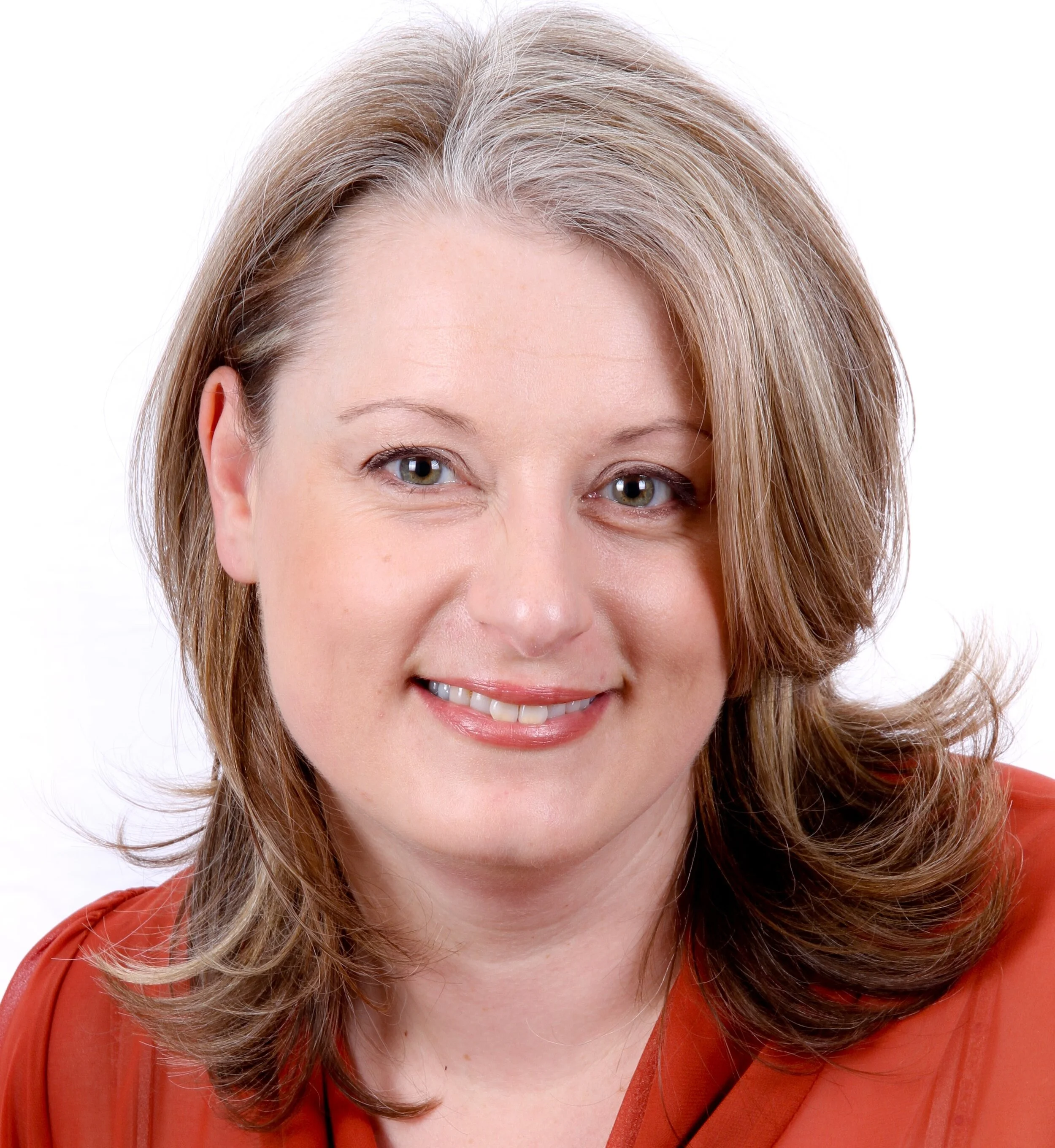
Julie is a powerful and positive force. She talks to Drinks Community about the magic of the drinks industry, how change can be a positive thing and what she hopes to gain from being a mentor.
Tell us about your career background and how you got to where you are today.
It wasn’t a linear path – I’m not sure anyone’s career is. My interaction with the drinks industry started when I was as student. I was a tour guide at Bushmills Distillery, so I had to learn the art of storytelling, translating the brand to people from all over the world. I don’t think I understood at the time how important that job was. Afterwards I went into something more scientific, joining Unilever and the food industry which is a lot about profit and data and mining where the opportunities are because the margins are so small.
Working scientifically gave me rigor of thinking and a massive focus in execution. When I left Unilever, I worked in all sorts of businesses – cider and beer, a lot in spirits, both locally and globally – getting to know the big macro point of view and also what it’s like at the coal face. Over 15 years I learned all the soft bits of creating magical lifestyle moments, strong value and premium propositions. It made me learn how important people and connections are.
I think there is a lot in this industry to keep people challenged and learning, and I’ve worked with some of the best people in this industry.
Why do you want to be a mentor?
I’m already a mentor in other capacities. I do a lot for female leadership which I started doing about three years ago – I want women to identify the unique power they bring to the industry. When I was in corporate world, I did a lot of team management and I thrive on the people interactions in business: we have great people, we have great relationships and I thrive on that togetherness.
I’ve found that in my career I’ve faced a lot of challenging situations and I find that the way through difficult stuff tends to be people, those connections, and when I’ve been in difficult situations it’s other people who have helped me.
You've had many different roles – how did you deal with change at the time?
Change tends to bring significant uncertainty. Of course it does – suddenly we need to actively consider options and a path ahead that we may not have been considering before. But I think that's why I somehow enjoy change (most of the time!). Generally I find it’s an opportunity to open a new chapter, as long as I can handle it in a positive way
I recognise that not all change can be seen positively, sometimes you can plan it and sometimes you have to ride the wave. You just need to observe and listen, and I think particularly now, it is how do you respond in the change that matters. One of my mentors once said to me E+R=O. E is the ‘event’ (change scenario) R is ‘respond’, and how you respond to that event will dictate the ‘O’ or outcome. It’s not always easy to plan your R, and I’ve got my R wrong a lot of time, I have failed a lot, but I’ve also succeeded a lot and navigating through change is about being conscious of your R and being brave enough to try different types of R.
Through your work at 3CS, what tips do you give your clients when it comes to making changes in their business?
I start with the idea that there is never one single answer. Do not believe that the path you have followed for the last five years is the one you need to follow now. You also don’t have to follow the path your competitor has set. There are always options and you need to use your eyes and your ears.
I find it really easy to get stuck in our own box, but there is no playbook, there is no one single answer, there is no manual. You’re going to have to find your own way through, monitor how consumers are responding and listen to your own customers – those eyes and ears skills are actually really difficult. Don’t be scared to just try things – partner up with a customer, or a brand, and someone who can help you play.
With bigger clients I tell them to make sure they’re actively learning by reviewing what they’re doing. We need to learn more in the moment.
What parts of the drinks industry do you think needs to change?
Learning is a big one. This industry isn’t too good at learning, as we put so much importance on self expression and it would be good to combine the two. There are great people in this community but where do we document their case studies and project learnings?
We also don’t do capability training very well at all – this industry is about more than liquid. I have seen a lot of people come into this industry and be thrown into situations where they don’t know what they’re doing. There needs to be some kind of network of help, and I hope post-Covid, we could convert some of that community spirit into capability. Maybe this Drinks Community Mentorship Programme is a small part of it.
I also think there needs to be more diversity of thinking. I find in the drinks industry that you’re either an artist or a scientist, but this industry does its best magic when art and science come together. We don't look outside the industry much either to identify learning that might help us move forwards. Some of the work happening in beauty, chocolate and fashion is particularly interesting to help the industry develop.
What do you want to be able to pass on to a mentee as part of the Drinks Community Mentorship Programme?
I don’t really believe in passing things on – who am I to say that I have the right answer or that my path and experience is the right one?
I want to help a mentee with understanding that individualism counts, and to identify their USPs: What is this thing that makes you strong? What’s your identity? I want them to find the path that’s right for them, I don’t want to give them my path.
I'm hoping this will become a bit of an exchange programme where there is duality in how we help each other.